
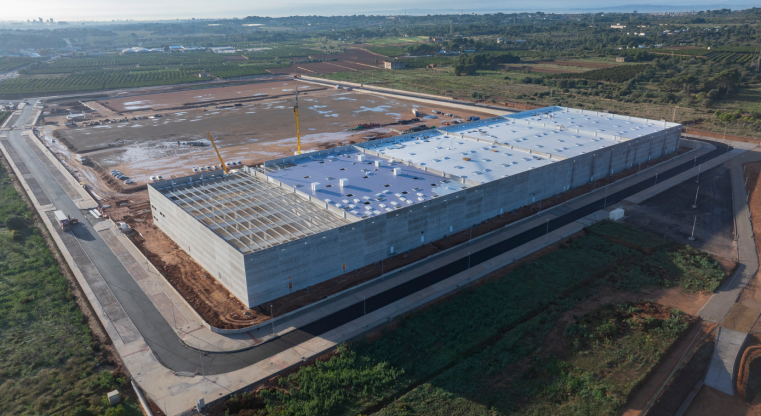
The operational performance of logistics companies is influenced by every aspect of their facilities. Even small design decisions can have a significant impact—either positive or negative—on overall efficiency and profitability.
In this article, we outline four key ways to improve warehouse operations through efficient logistics facility design.
1. Space optimisation
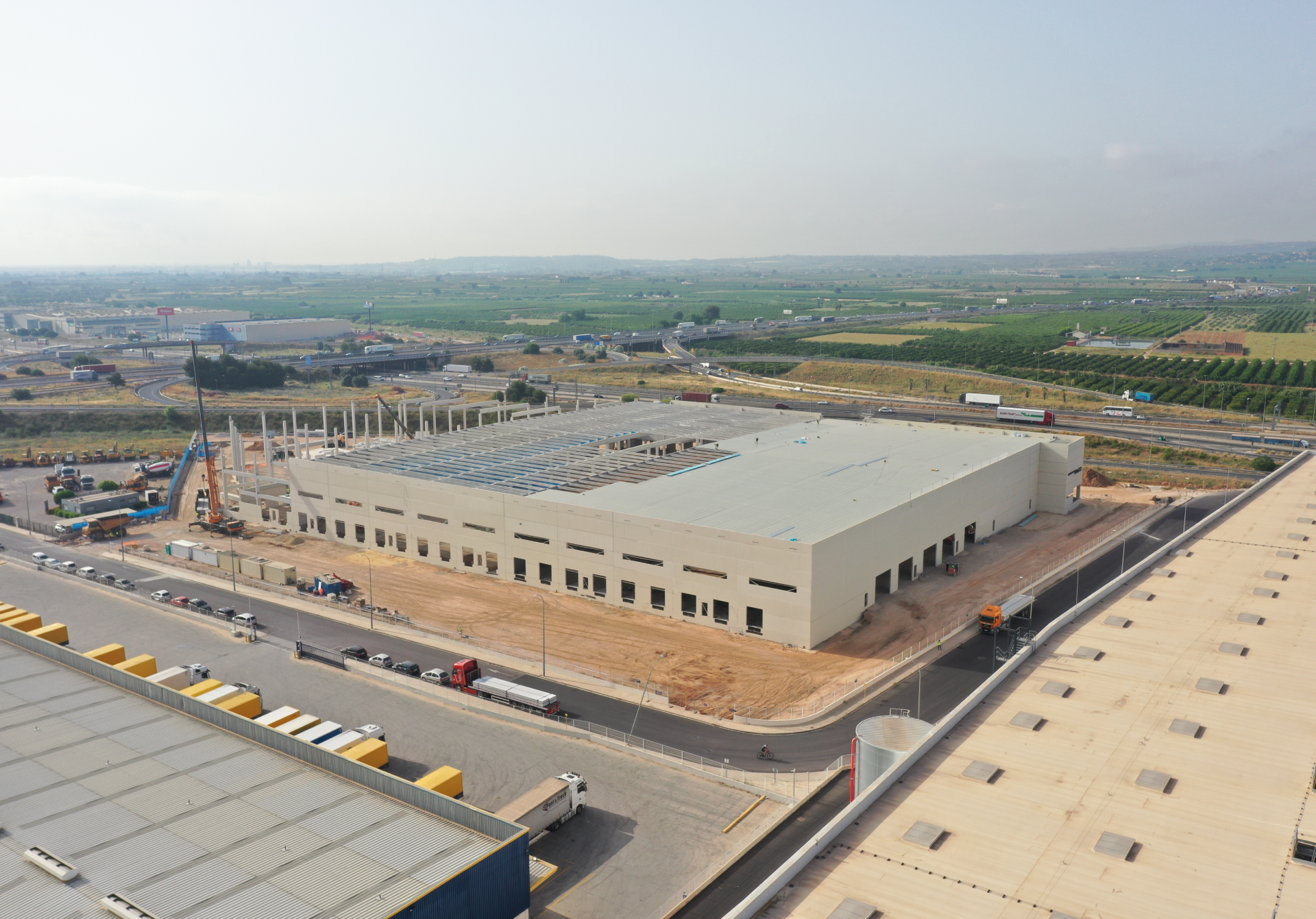
From the earliest design stages, the layout of the facility should be aligned with the morphology of the plot.
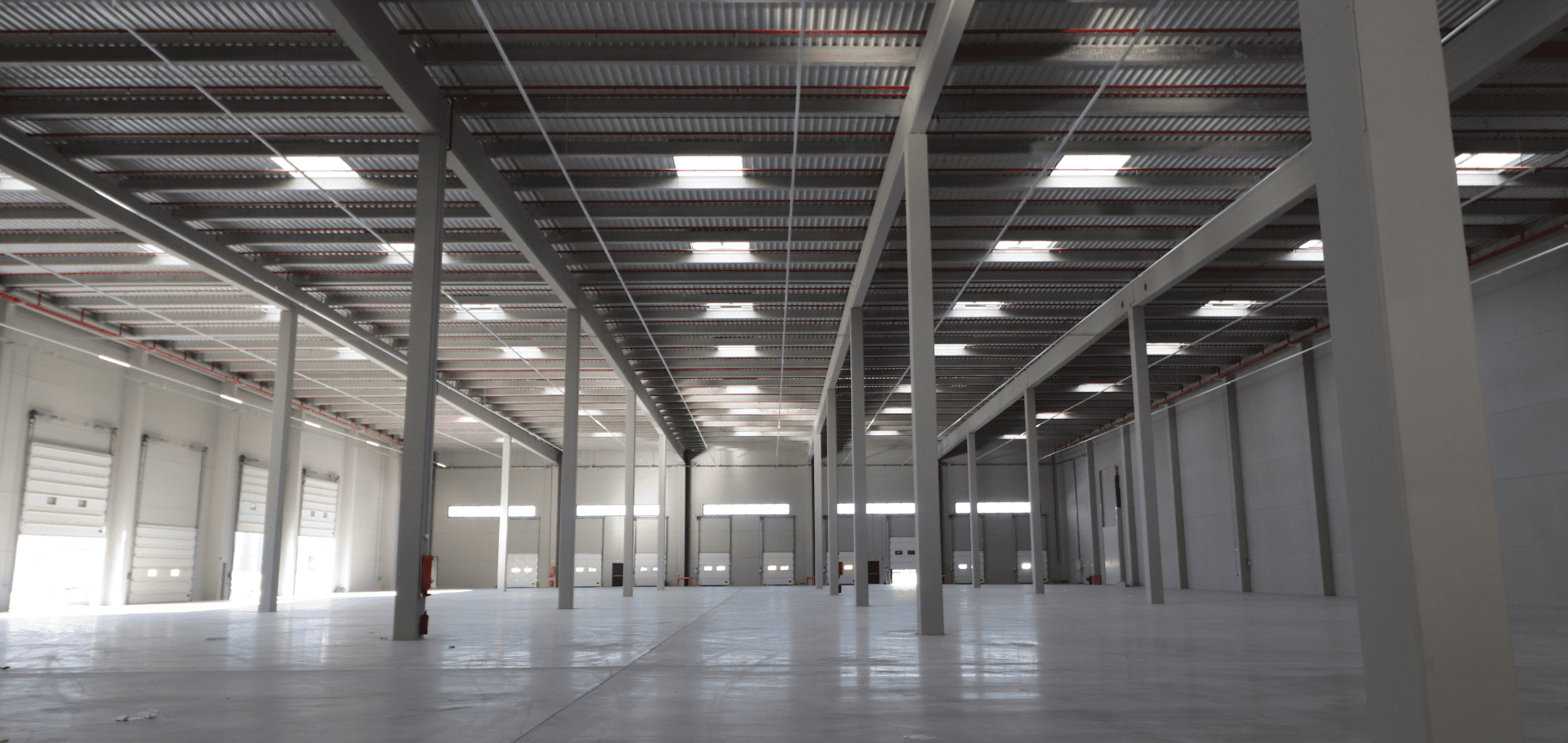
An open-plan configuration, properly aligned with the racking system, with office areas located on mezzanine levels where possible, and avoiding inefficient geometries (such as curved walls or irregular angles), will maximise usable space and improve operational performance.
In logistics environments, every square metre directly impacts productivity and profitability.
2. Optimising movement flows
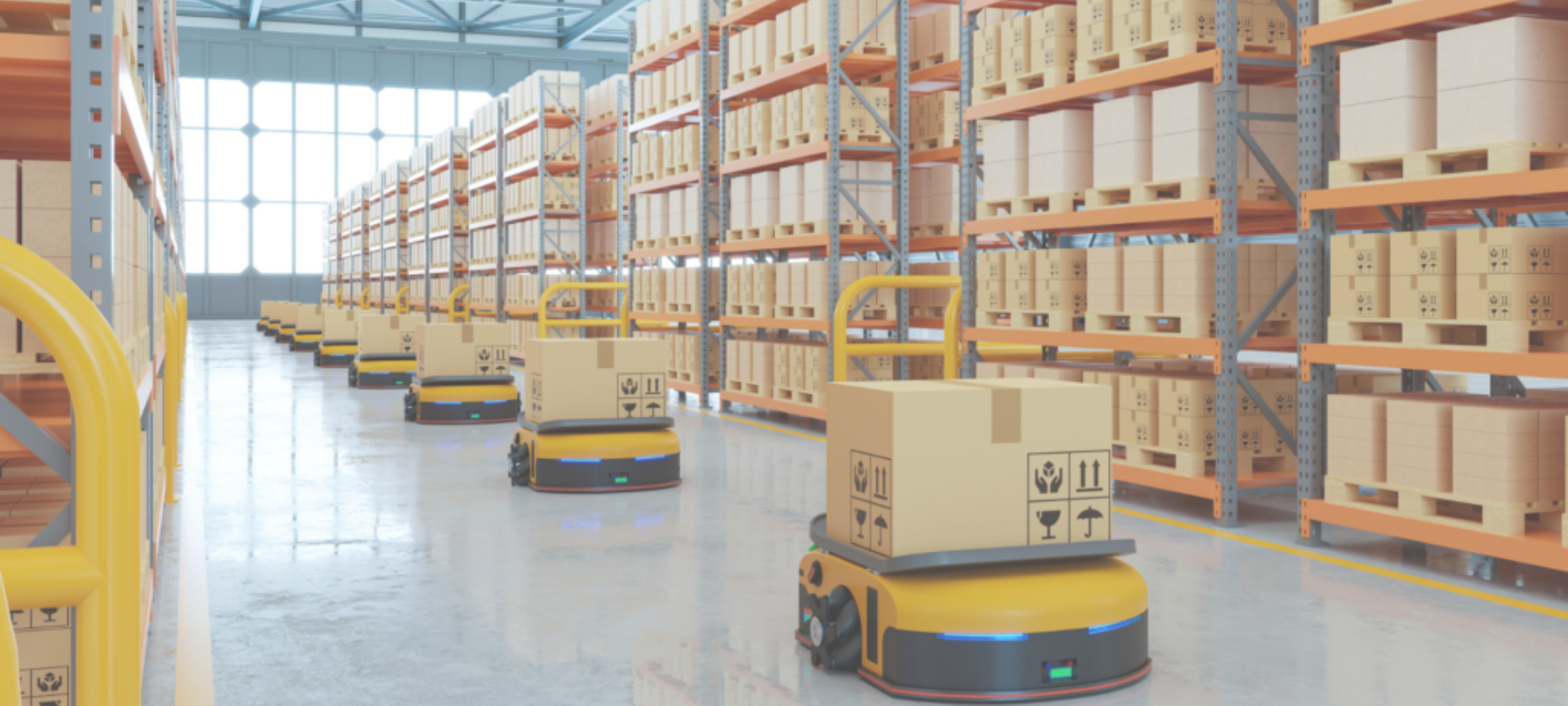
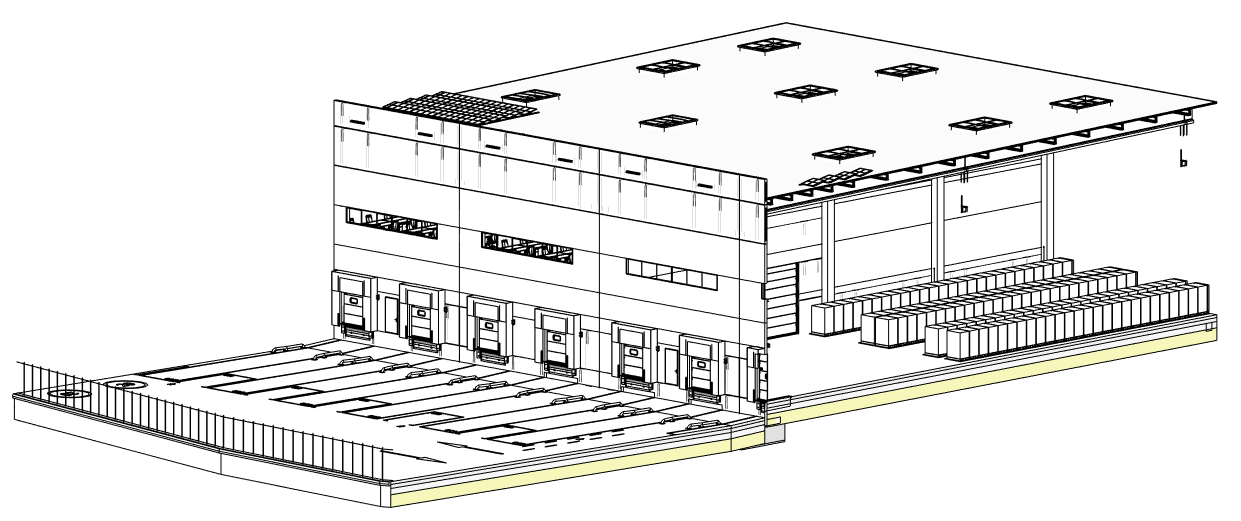
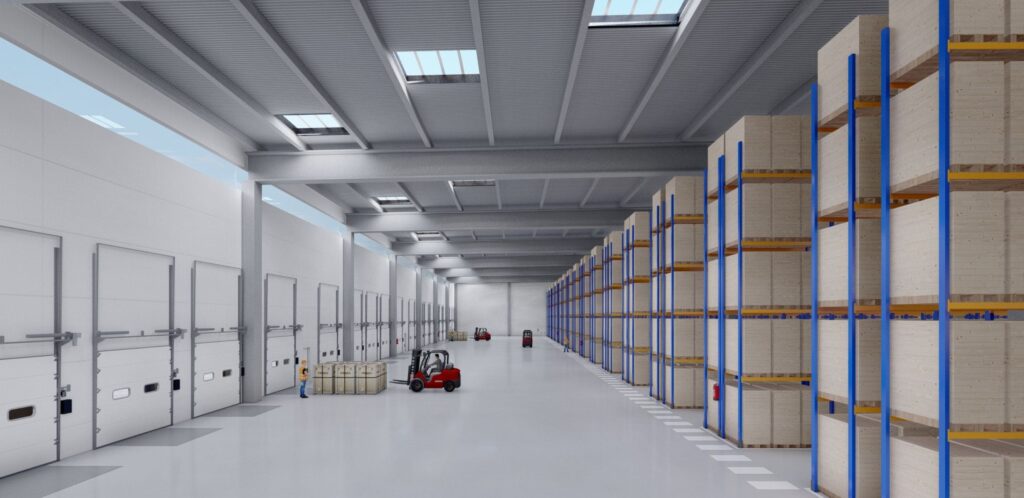
The positioning of each functional element within the facility is critical: storage areas, loading docks, battery charging zones, changing rooms, office spaces and internal traffic routes.
The primary objective is to minimise travel distances and optimise movement flows for goods, personnel and vehicles.
Designing direct and efficient routes reduces handling times and improves safety. Even minor improvements in layout—such as eliminating unnecessary turns—can generate significant time savings when multiplied across thousands of daily operations.
3. Sustainable design as a performance driver
Sustainability is no longer optional—it is a key driver of operational efficiency and cost reduction.
Incorporating sustainable strategies during the design phase—such as optimising building orientation, maximising natural daylight, using high-performance insulation materials, installing photovoltaic systems or implementing water reuse solutions—reduces energy consumption and operating costs.
As highlighted in previous articles on logistics facility design and construction costs, these measures not only lower environmental impact but also improve long-term asset value.
4. People-centred design
Employee productivity is one of the most critical factors influencing business performance, and it is directly affected by the working environment.
A well-designed facility that prioritises comfort, usability and well-being leads to higher productivity and lower absenteeism.
Key aspects include:
- Access to natural daylight in both warehouse and office areas
- Efficient and intuitive circulation layouts
- Comfortable office spaces and rest areas
- Provision of green outdoor areas
- Dedicated spaces for relaxation or physical activity
These elements contribute to a better working environment, which directly translates into improved operational performance.
To successfully integrate all these factors, a detailed site layout study and a design approach tailored to the client’s operational needs are essential.
At ASPOR Engineering, we bring over 20 years of experience in designing and delivering logistics and industrial facilities, always placing end-user performance at the core of every project.
 Facebook
 Linkedin