
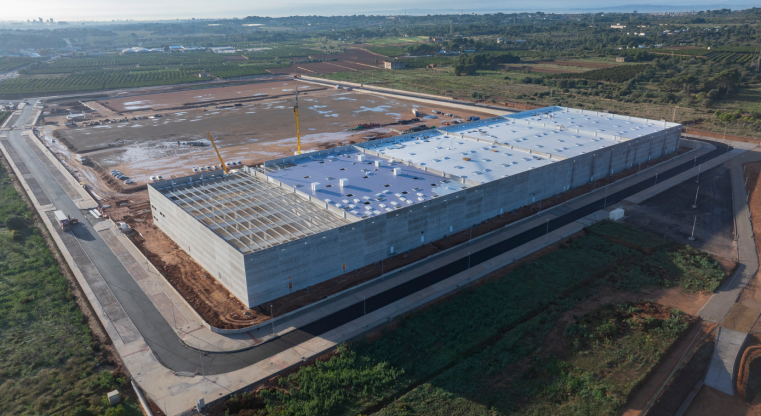
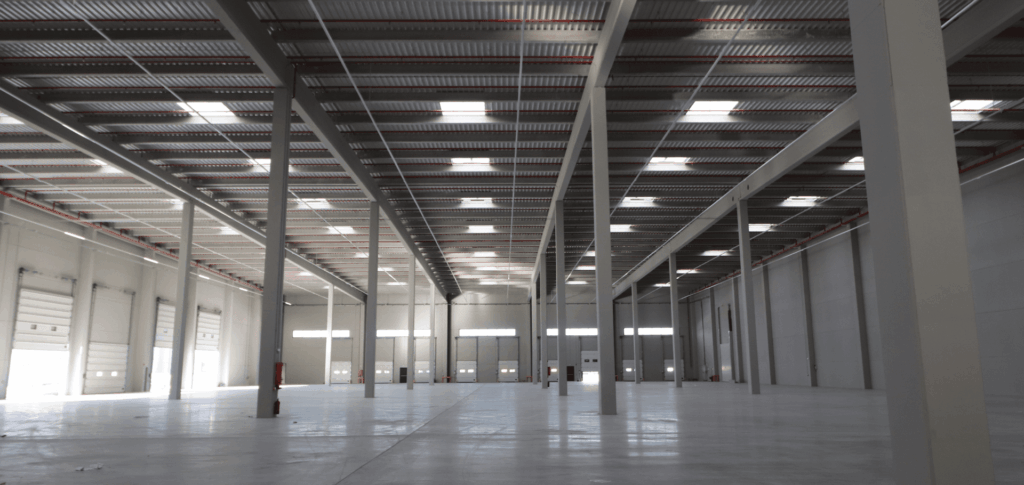
A few weeks ago, we analysed how logistics facilities have evolved over time in terms of use, size, location and the level of innovation applied in their design and construction.
In this article, we focus on another key dimension of this transformation: the evolution of investor, developer and end-user priorities in logistics real estate.
Evolution of logistics platforms over the past 25 years
Over the past 25 years, the industrial and logistics real estate market in the Iberian Peninsula has evolved not only quantitatively—driven by strong growth, particularly in the last decade due to the rise of e-commerce—but also qualitatively, with a significant shift in the criteria used to evaluate new developments.
There has been a clear transition from prioritising land plots based mainly on buildable area to focusing on a broader set of technical, operational and financial performance indicators.
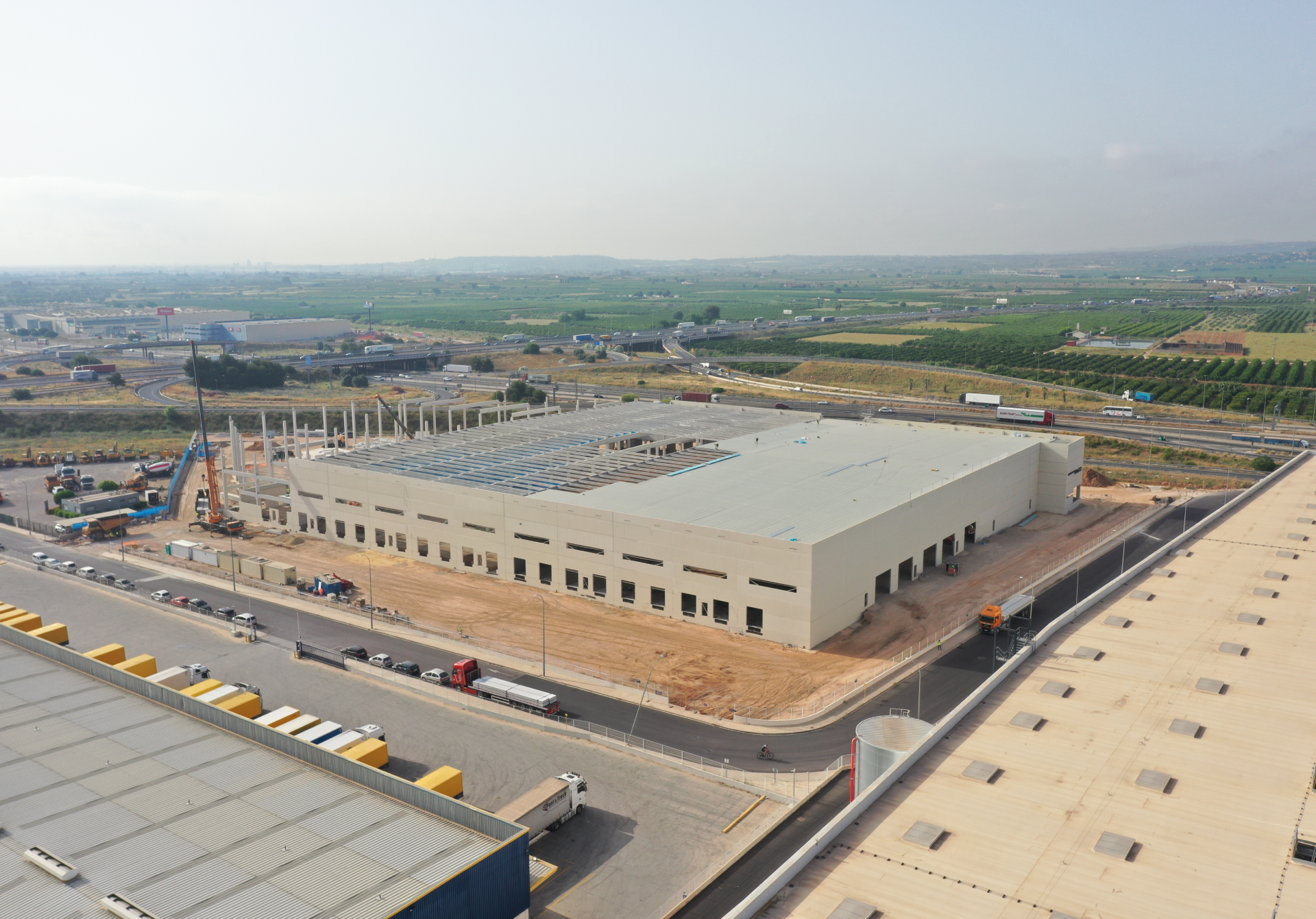
In the early 2000s, companies were primarily looking for storage space—industrial warehouses located in expanding business parks along the main access routes to major cities. Many of these facilities were developed in areas with limited infrastructure, often lacking fully developed service networks.
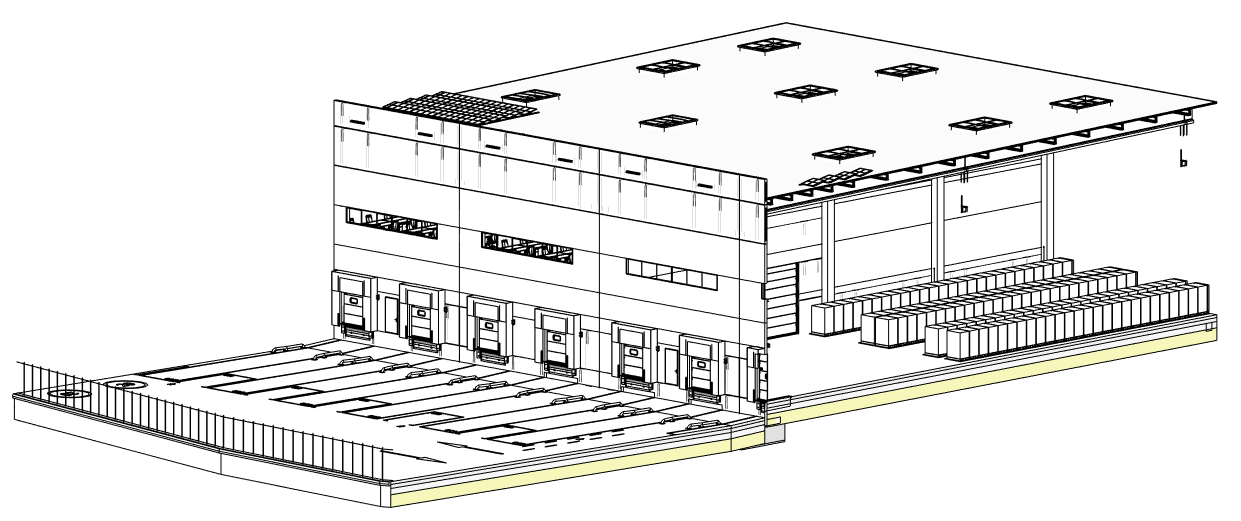
At that time, developers, asset owners and project engineers focused heavily on maximising loading dock numbers, sometimes at the expense of overall space efficiency and operational optimisation.
However, even in those early stages, the sector was already attracting strong investment, with more advanced projects emerging—particularly logistics parks designed around efficiency, safety and operational performance. Sustainability soon became an additional key consideration.
In recent years, logistics operators and investors have shifted their focus towards performance ratios and operational efficiency metrics, rather than simply considering buildable area or gross leasable area.
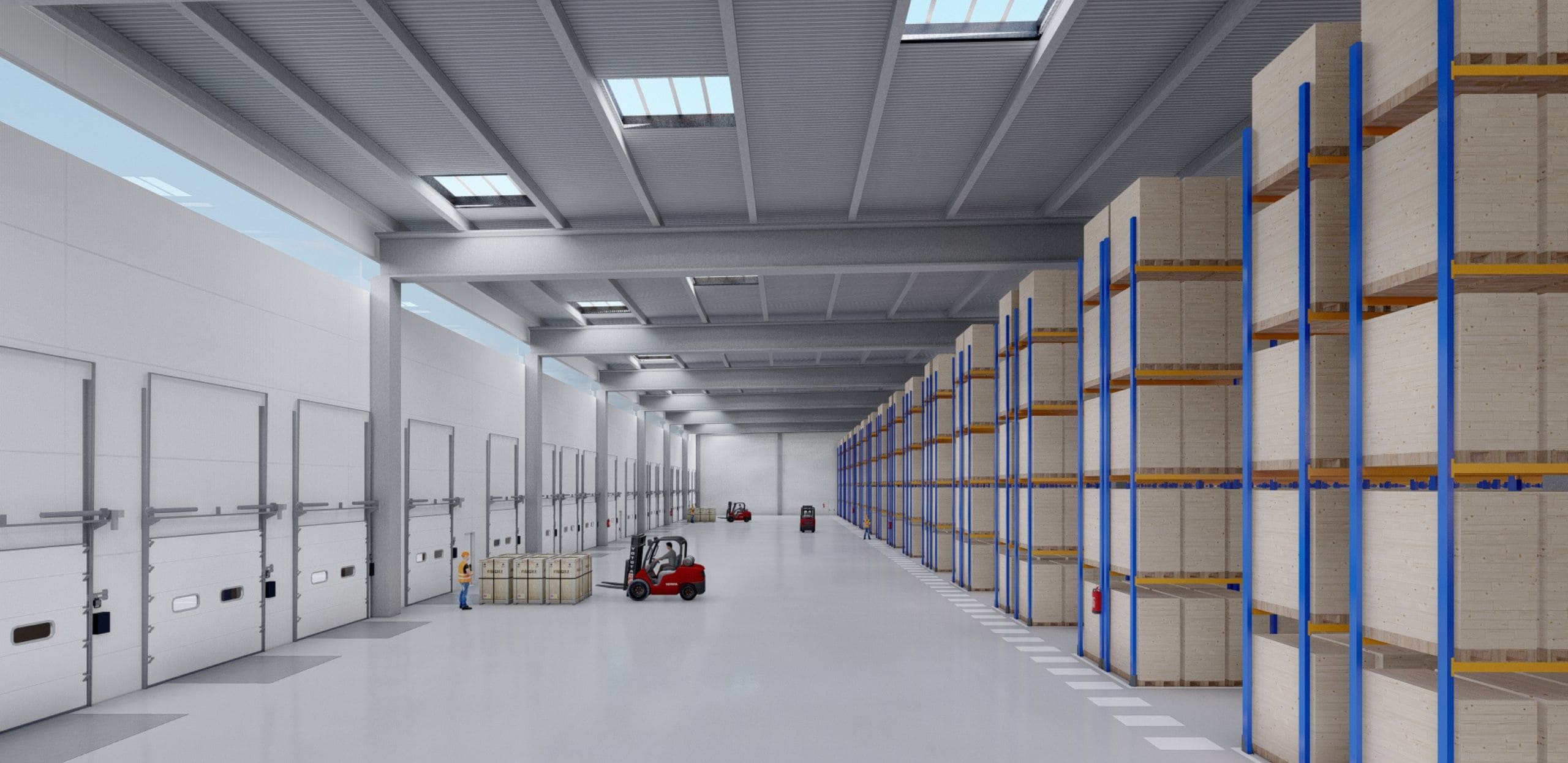
Today’s logistics clients are highly specialised and prioritise technical parameters such as loading dock ratios, circulation efficiency, clear height and space optimisation—factors that directly impact productivity and operational effectiveness.
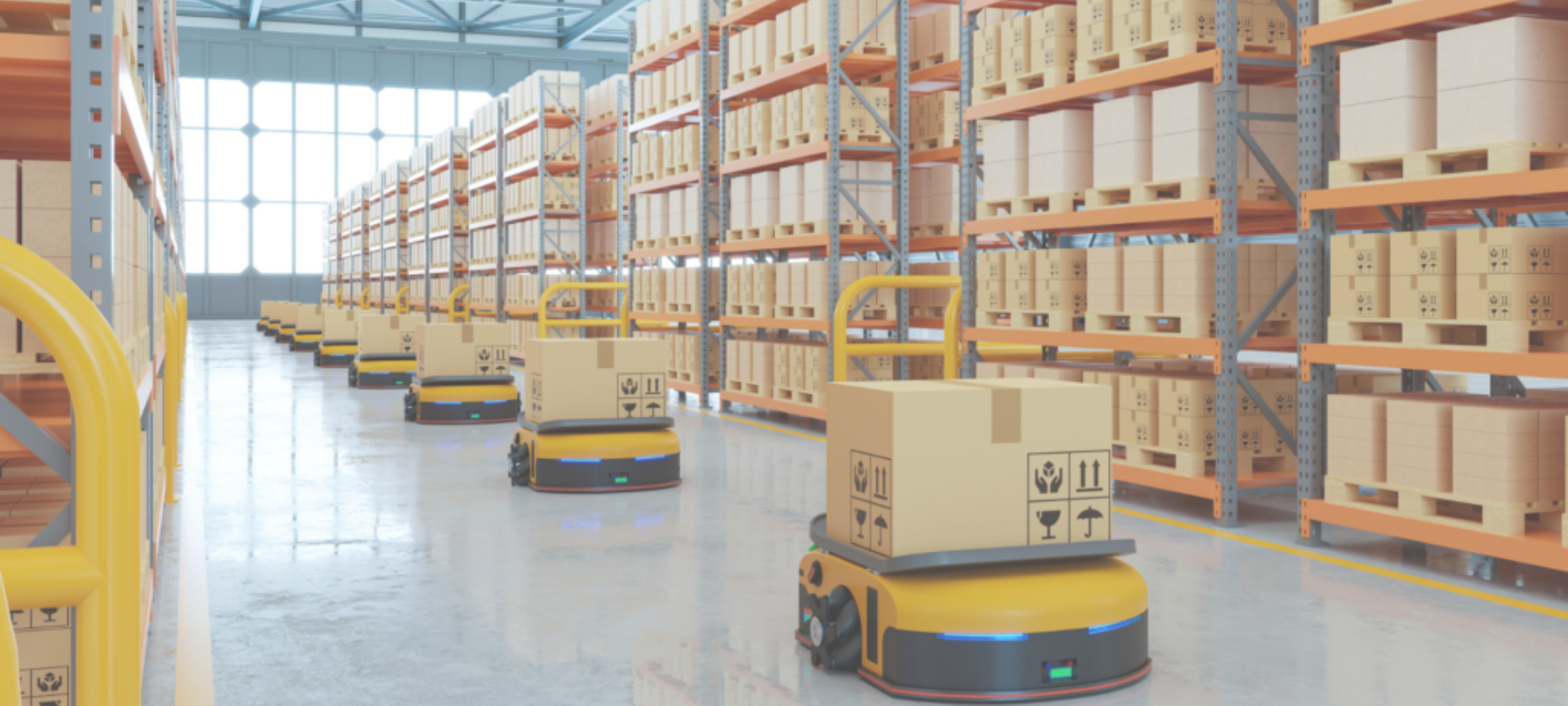
In addition, logistics facilities are now part of a fully digitalised ecosystem. This has increased the importance of automation systems that improve product traceability, enable real-time data analysis and support predictive decision-making.
At the same time, these technologies contribute to the development of buildings with a lower carbon footprint, aligning logistics assets with increasingly demanding environmental and sustainability standards.
 Facebook
 Linkedin