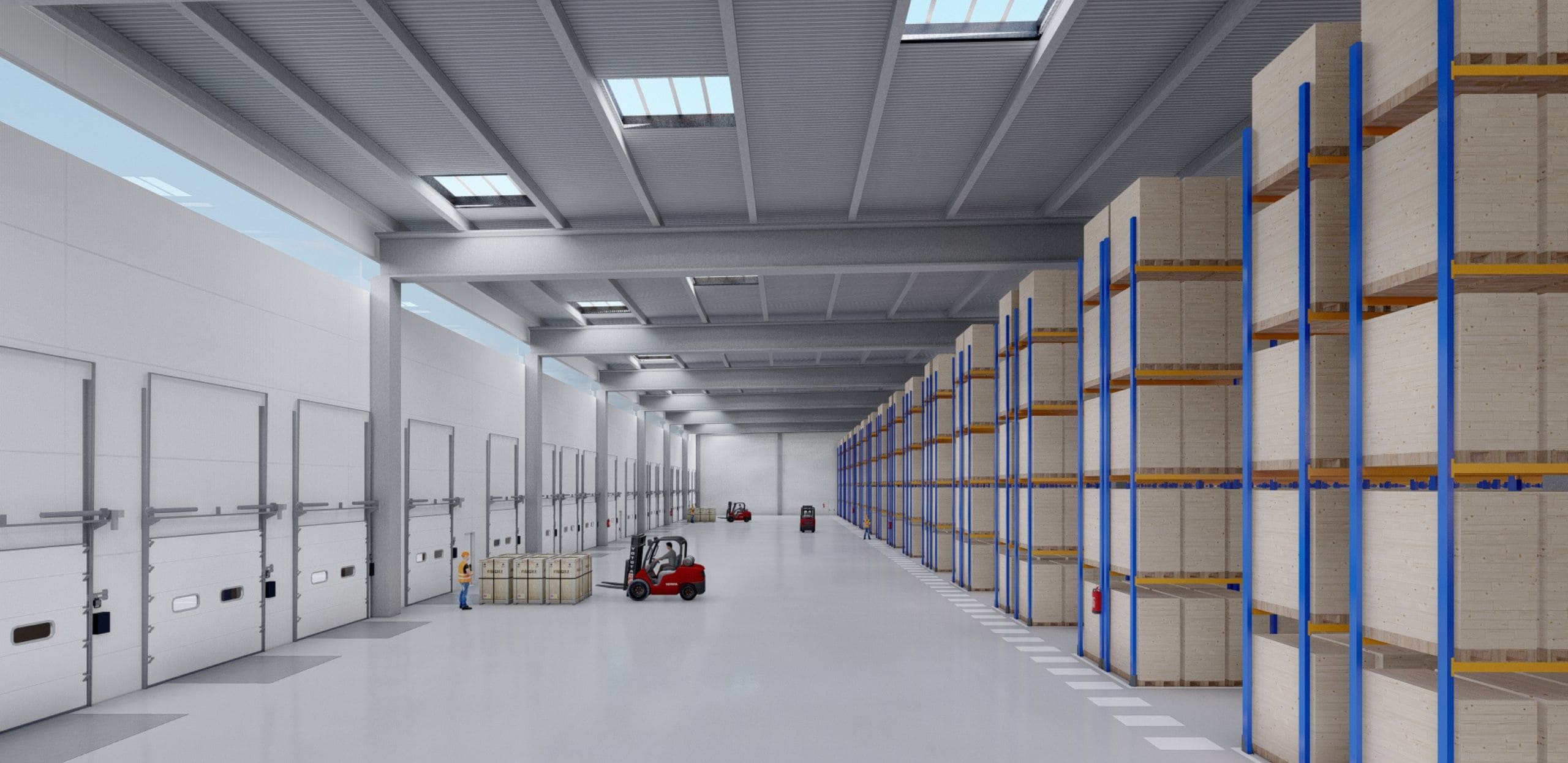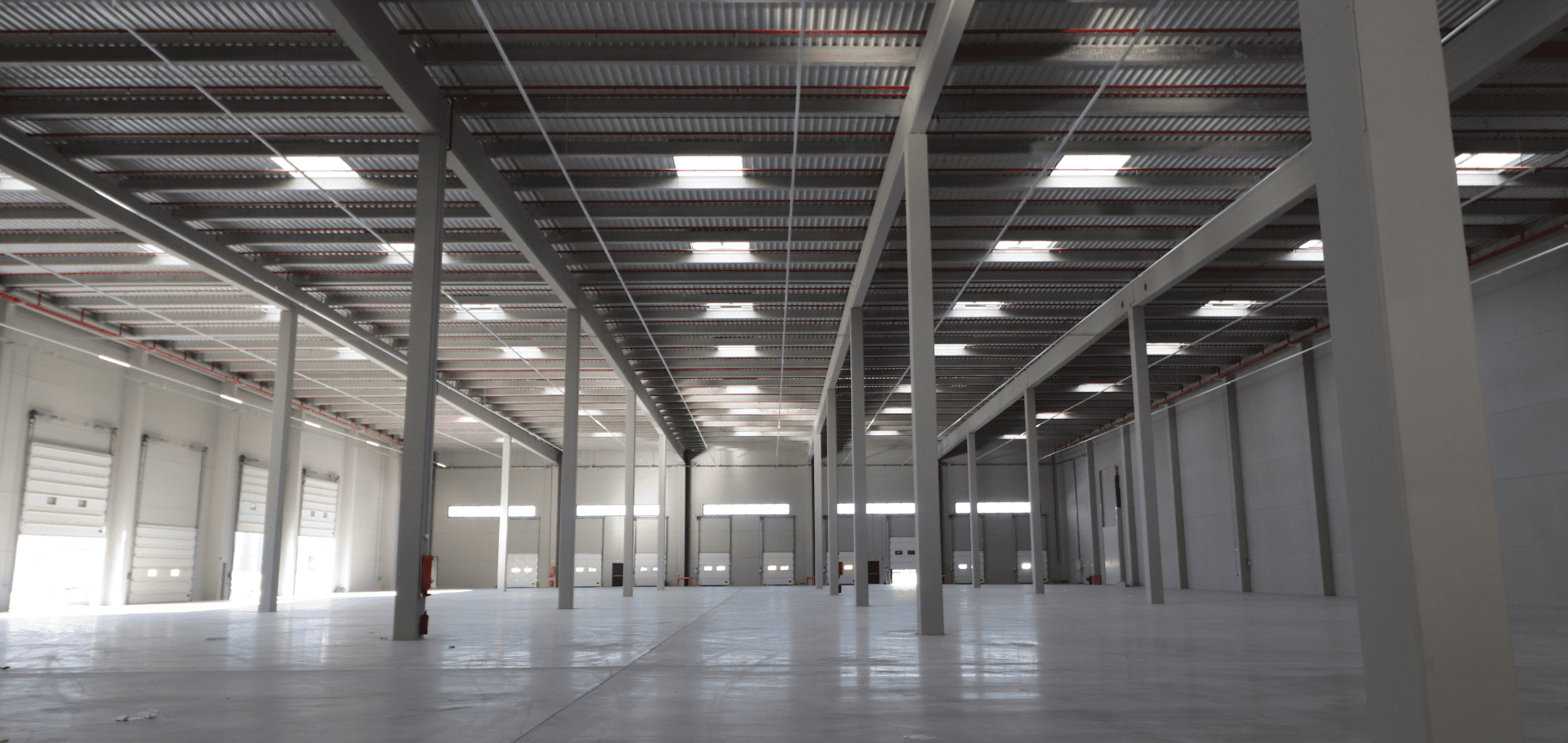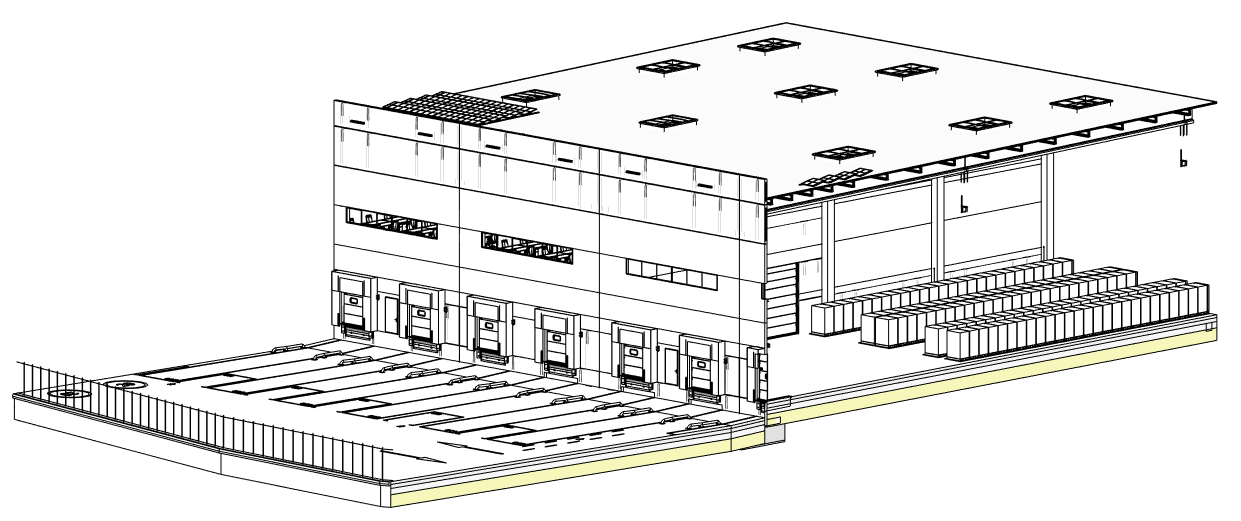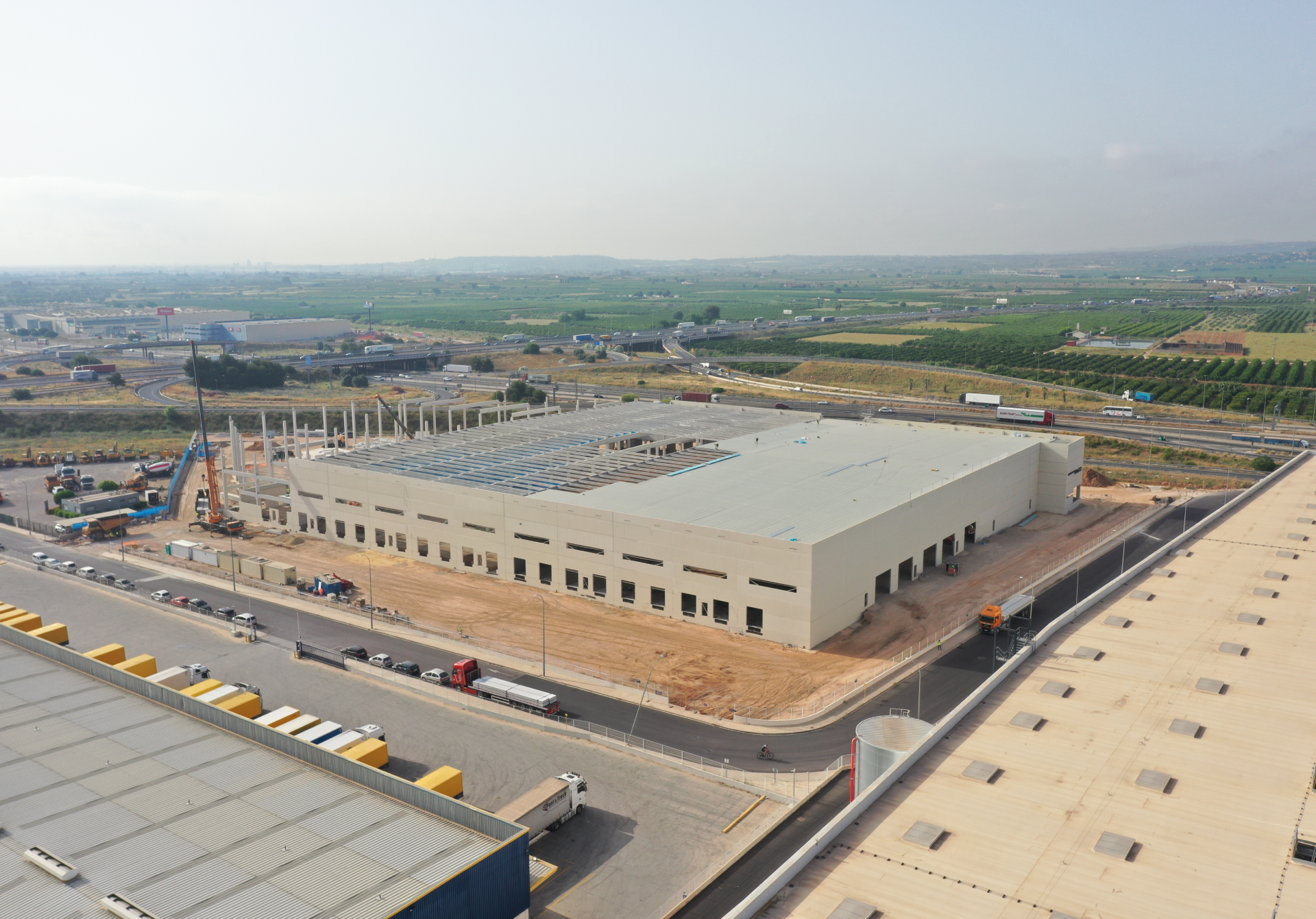

Over the last decade, the logistics and transport sector has experienced rapid and sustained growth, driven by increasing demand and rising operational complexity. As a result, companies are continuously seeking ways to improve efficiency, leading to the widespread adoption of robotics and automation in industrial and logistics facilities.
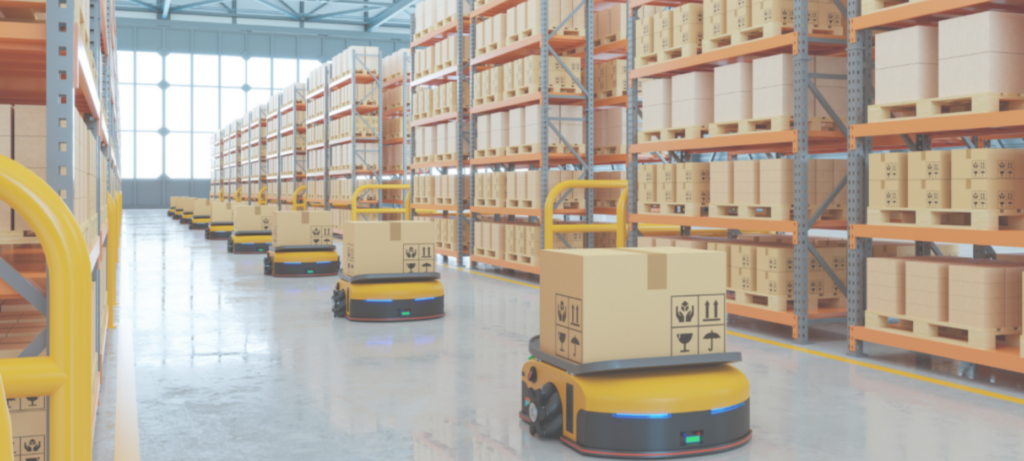
But what do we actually mean by robotic logistics or warehouse automation? In this context, the term “robots” refers to autonomous systems and automated technologies used to streamline logistics processes.
In logistics environments, these systems can be applied to goods reception, storage, inventory management, order picking and dispatch operations.
Benefits of robotics in industrial warehouses
The integration of robotics in logistics facilities is primarily aimed at improving operational efficiency while delivering additional strategic benefits:
- Addressing labour shortages in specialised logistics roles.
- Reducing costs and increasing operational speed, improving competitiveness.
- Maximising storage density by reducing aisle widths and optimising layouts.
- Improving energy efficiency and sustainability performance.
- Enhancing safety for both personnel and goods.
Automation technologies transforming logistics facilities
Current trends include the implementation of autonomous robots, automated storage systems and collaborative robots (cobots), all of which have a direct impact on the design of modern logistics platforms.
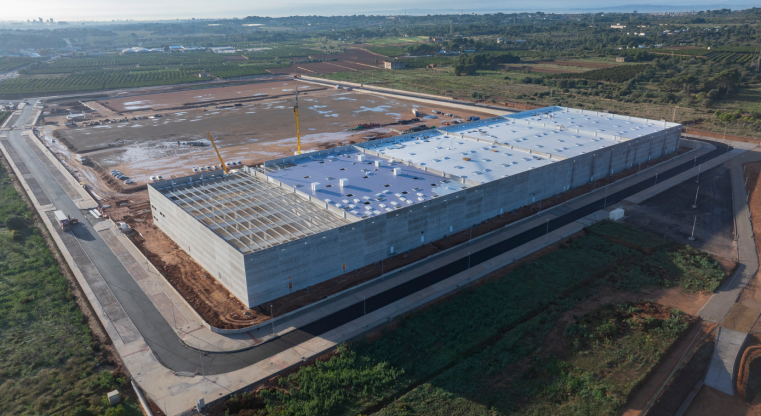
One of the most critical aspects in the design of industrial and logistics buildings is anticipating the facility’s end use, particularly when automation is expected to play a central role.
Designing for robotic logistics
In speculative developments where the final tenant is not yet defined, it is essential to design facilities that can accommodate future automation requirements.

Designing with automation in mind ensures that the facility remains competitive and adaptable to evolving logistics trends.
8 key considerations for robotic logistics facilities
The design team must take into account several technical factors when developing an automated logistics platform:
- Building height and structural optimisation to reduce envelope weight and accommodate automation systems.
- Integration of racking systems as part of the structural layout to minimise obstacles.
- Floor slab resistance to support concentrated loads from automated systems and goods.
- Advanced fire protection systems, including intermediate sprinkler systems.
- Higher electrical power requirements compared to conventional warehouses.
- Specialised lighting design adapted to automated operations.
- Building Management Systems (BMS) for monitoring and controlling automated processes.
- Reduced human presence, requiring dedicated areas for maintenance and system access.
The future of robotic logistics
The evolution of robotic logistics will continue to transform supply chain operations through several key trends:
1. Continuous technological advancement
- Artificial Intelligence and Machine Learning enabling adaptive and self-optimising systems.
- Collaborative robots (cobots) improving human-machine interaction.
2. Increased automation and digitalisation
- Smart warehouses enhancing inventory control and operational efficiency.
- Digital twins enabling simulation and optimisation of logistics processes.
3. Growth of e-commerce
- Rising demand for fast and flexible logistics solutions.
- Autonomous delivery systems, including drones and autonomous vehicles.
4. Sustainability and energy efficiency
- Green logistics strategies reducing environmental impact.
- Optimised transport routes lowering emissions and energy consumption.
5. Flexibility and scalability
- Adaptability to demand fluctuations.
- Just-in-time logistics models reducing inventory levels.
6. Regulation and standardisation
- Development of safety standards for robotic integration.
- Data security and privacy requirements.
7. Impact on workforce
- Transformation of job roles towards higher-skilled positions.
- Need for training and reskilling in digital and technical areas.
At ASPOR Engineering, we continuously adapt our design methodologies to integrate automation and robotics, delivering logistics facilities that maximise operational efficiency and long-term performance.
 Facebook
 Linkedin